

Scents for Retail Stores: How Fragrance Shapes Customer Experience and Drives Sales
29/05/2025
Crafting the Perfect Hotel Signature Scent: How Fragrance Shapes Guest Experience
29/05/2025Scents for Retail Stores: How Fragrance Shapes Customer Experience and Drives Sales
29/05/2025Crafting the Perfect Hotel Signature Scent: How Fragrance Shapes Guest Experience
29/05/2025Best Office Scents to Boost Productivity & Create a Welcoming Space
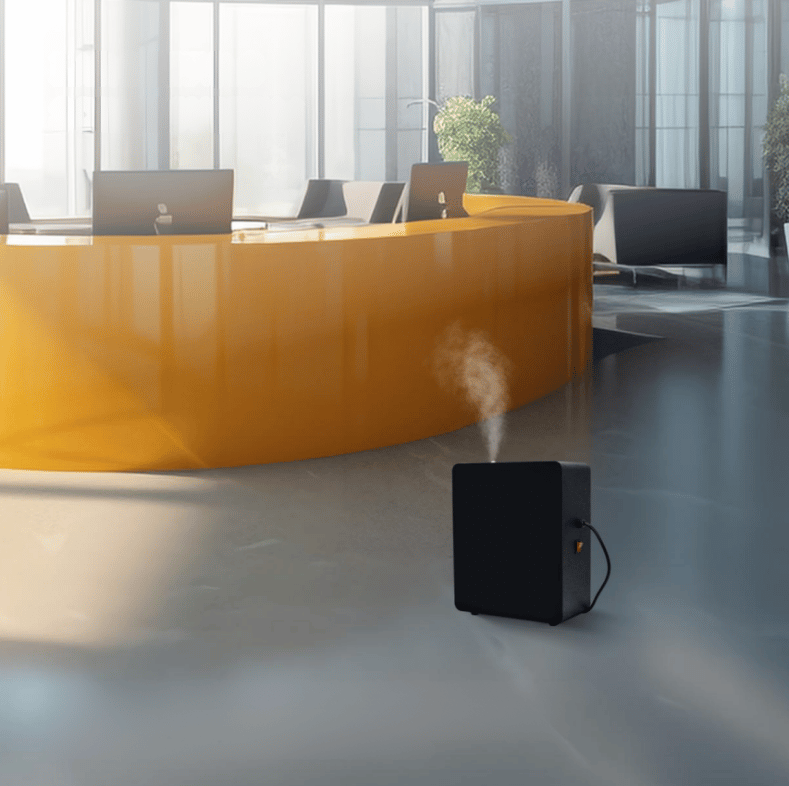
Ever walked into an office and just felt… off? Maybe the air was stale, or there was a weird mix of leftover lunch and copier toner. Now imagine stepping into a space that smells clean, fresh, and calming. It instantly changes how you feel, right?
That’s the quiet power of scent—and yet, most businesses overlook it completely. We spend so much time designing workspace, choosing ergonomic chairs, installing fancy lighting… but “office scent” rarely makes it onto the checklist.
And it should. The right office scent can make employees feel more focused, reduce stress, and create a better atmosphere for clients. It’s not just about smelling good—it’s about setting the tone for how people experience your space.
Why Office Scents Matter
We’re not saying scent is a miracle fix—but it’s definitely underrated when it comes to productivity and mood. Certain scents can lift the energy in a room, make people feel more alert, and even help reduce tension during long meetings.
For example, something as simple as a hint of lemon or peppermint can boost mental clarity. On the flip side, softer scents like lavender or green tea can calm nerves—great for high-pressure days or open-plan offices.
And if you’ve got clients visiting? The scent they pick up as they walk through the door becomes part of your brand story. First impressions happen fast, and the best aroma for office settings leaves people feeling comfortable, confident, and welcomed.
Understanding Fragrance Families to Pick the Right Office Scent
When it comes to choosing the best aroma for your office, understanding the main fragrance families can make a huge difference. Fragrance families—also called scent families—group scents based on their common characteristics, helping businesses and perfumers categorize and select the right mood-enhancing aromas.
There are four primary fragrance families that serve as the foundation for most scents:
Floral
Think fresh flowers—scents like rose, jasmine, lily, or lavender. These are soft, elegant aromas often linked with feelings of calmness and femininity. Floral notes are great for reception areas or break rooms where you want to create a soothing, inviting vibe.
Oriental
Warm, rich, and sometimes sweet or spicy. These scents may include vanilla, amber, cinnamon, or exotic spices and woods. Oriental fragrances bring a sensual and cozy touch, suitable for executive spaces or creative rooms where comfort and sophistication matter.
Woody
Grounded and earthy, woody fragrances include cedar, sandalwood, patchouli, and similar aromatic woods. These scents offer a strong sense of stability and warmth, making them ideal for workspaces and meeting rooms that benefit from a focused, confident energy.
Fresh
Bright and clean, fresh scents are often built from citrus, green, fruity, or aquatic notes—like lemon, lime, green tea, or bergamot. Perfect for desks, workstations, and morning schedules, these invigorating aromas can energize a room and clear mental fog.
Each area of your office serves a different purpose, so choosing the right fragrance family for the space can help amplify the desired effect—whether it's a productivity boost, a calming break, or a warm welcome for clients.
By working with scent experts like Max Hygiene, you can create a customized scent strategy using fragrance families that match your brand personality and daily office rhythm.
Scenting Common Office Areas
Each area of the office serves a distinct function, so your fragrance strategy should not be universally applicable. The following is our recommended approach to customizing office scents to specific spaces, taking into account the most effective methods for mood, functionality, and overall experience.
Reception & Waiting Area
First impressions start here. A soft, welcoming aroma greets you as you enter, creating a serene, welcoming atmosphere. In offices where you interact with clients, such an atmosphere can instantly enhance the way people perceive your brand by giving the impression that you are in capable hands before a single word is exchanged.
Workstations & Desks
This is the location where productivity took place. Peppermint and citrus combinations (such as orange or lemon) are excellent choices in this context. They contribute to the reduction of fatigue and the enhancement of attentiveness. Steer clear of overly sweet or distracting elements that could potentially impact productivity in the workspace.
Meeting Rooms
Clarity and tranquility are the most important elements in these rooms. During brainstorming activities or discussions, rosemary or light eucalyptus can be useful for enhancing focus. Additionally, they help with the removal of stale air from enclosed spaces, thereby maintaining the energy and the flow of ideas.
Break Rooms & Rest Areas
The purpose of these spaces is to recharge. Consider the use of calming scents, such as lavender, chamomile, or warm vanilla, to establish a peaceful environment. The atmosphere facilitates the sense of relaxation, thus allowing the team to get back to work with a renewed sense of energy.
How to Implement an Office Scent Strategy
Creating the right office scent isn’t just about picking a fragrance and hoping it works. A thoughtful scent strategy helps you balance consistency, comfort, and impact—without overwhelming the space or the people in it.
Choose the Right Delivery Method
Your diffuser setup will rely on the size and shape of your office.
- HVAC Scenting: This is great for large workplaces because scents are spread out evenly in the air system.
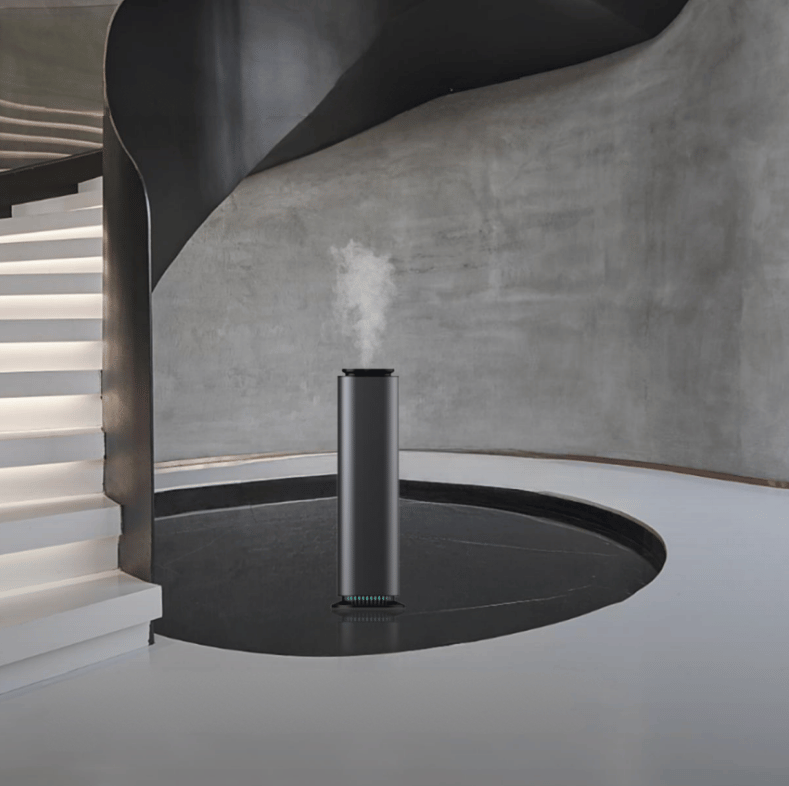
- Standalone Diffusers: These are great for meeting rooms, waiting areas, and other medium-sized rooms.
- Plug-ins or small units: These work great in small rooms or private areas like manager rooms.
No matter what method you use, try to keep the scent as light as possible. Strong smells can be annoying or distracting.
Get the Time Right
Set your diffusers on a schedule:
- In the morning, use scents that wake you up, like citrus or mint, to get a good start to the day.
- In the afternoon, switch to something lighter, like rosemary or green tea, to stay focused without getting too excited.
- Late in the day: If you need to, switch to scents that are calming, like lavender, to help you get ready for meetings in the evening.
Maintenance Is Important
Your diffuser needs regular care too, similar to how you maintain your coffee machine in the kitchen. Here are some basic things to look out for:
- Regularly fill up the scent.
- Clean up dust or residue that has gathered.
- Don't mix scents that don't go well together unless you're blending them deliberately (with help from a professional).
Max Hygiene offers ongoing support and scent upkeep plans to make sure everything stays in excellent shape, so you don't have to stress about a thing.
Boost Workplace Vibes with the Best Aroma for Office
Choosing the right scent for the office isn’t just about making it feel nice; it’s also about making people feel energized, calm, and focused. The best aroma for office environments can improve emotions, boost productivity, and have a lasting impact—whether you’re in charge of a creative space, a business office, or a meeting hub where clients can come in.
When it comes to office scents, Max Hygiene helps businesses find the most ideal ones that fit their goals, brand, and team culture.
Get in touch with us for a free scent consultation, and we’ll make your office fragrance work.