

Crafting the Perfect Hotel Signature Scent: How Fragrance Shapes Guest Experience
29/05/2025
Why the Right Wellness Spa Scent Can Transform the Entire Customer Experience
09/12/2025Crafting the Perfect Hotel Signature Scent: How Fragrance Shapes Guest Experience
29/05/2025Why the Right Wellness Spa Scent Can Transform the Entire Customer Experience
09/12/2025How Scent Marketing Enhances Customer Experience in Retail & Hospitality
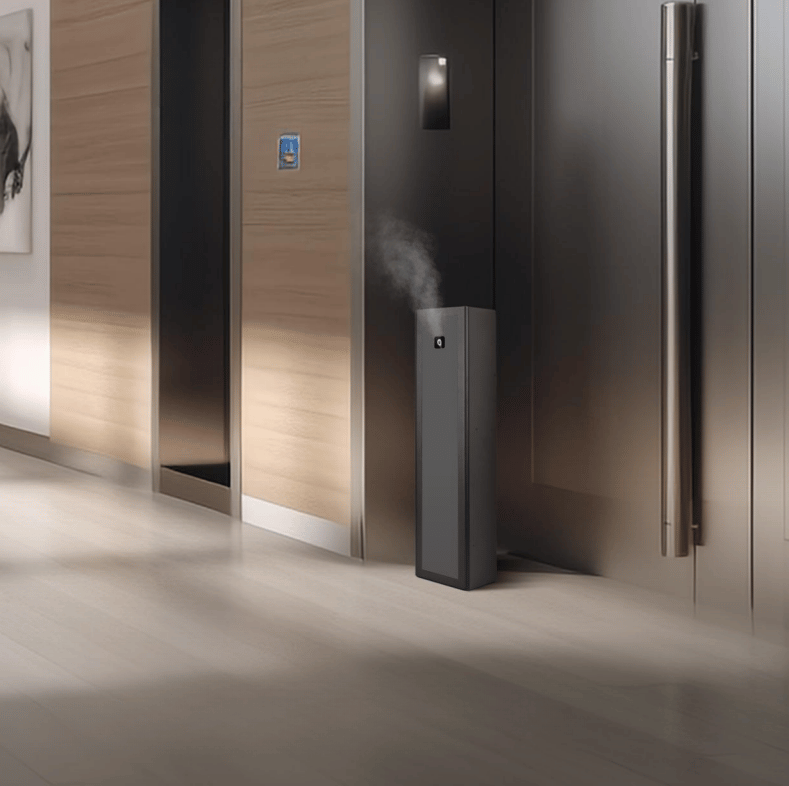
Walk into a store or hotel and you’ll probably notice the lighting, the décor, maybe the music. But what about the scent? Most people don’t consciously register it—but their brains definitely do. And that’s where scent marketing comes in.
Scent marketing is one of those powerful tools that’s often overlooked, even though it quietly shapes how people feel, think, and even spend. Whether it’s the cozy smell of vanilla in a boutique or a fresh citrus breeze in a hotel lobby, the right scent helps build connection and comfort almost instantly.
If your brand is still relying solely on visuals and sound to make an impression, it might be time to consider how scent marketing can complete the experience.
What is Scent Marketing (a.k.a. Odor Marketing)?
At its core, scent marketing—sometimes referred to as odor marketing—is the strategic use of fragrance to enhance brand experience and influence customer behavior. It’s not just about making a space smell nice. It’s about creating a sensory experience that aligns with your brand values, engages emotions, and keeps customers coming back.
Think of it as branding you can’t see but definitely feel. Instead of just relying on sight and sound, scent marketing taps into our most emotional and memory-driven sense—smell. And because our brains associate scent so strongly with memory and emotion, a well-crafted scent can become just as iconic as your logo or tagline.
Retailers, hotels, spas, gyms, even banks are now leveraging this technique to create immersive environments that people remember (and talk about).
Why Scent Matters in Customer Experience
The science is simple: scent affects how we feel. A pleasant smell can lift someone’s mood, reduce stress, and even make them stay longer. That’s why companies that use scent marketing often see improved customer satisfaction and stronger emotional bonds with their brand.
Studies show that people are more likely to recall a brand they associate with a distinct scent—and not just recall it, but remember it fondly. This emotional connection can lead to more loyalty, higher spending, and even better reviews.
In retail, it could mean a customer browsing longer and buying more. In hospitality, it could mean guests feeling instantly relaxed and welcomed from the moment they step into the lobby.
Real Examples of Scent Marketing at Work


Retail Stores
Walk into a clothing store that smells like fresh linen or citrus, and you’ll probably feel more refreshed and open to browsing. We’ve seen brands use soft floral or fruity scents to make people stay longer—and in some cases, actually shop more. One fashion brand added a light perfume-like scent near the changing rooms, and staff noticed people lingered longer and seemed more relaxed. It’s subtle, but powerful.
Hotels
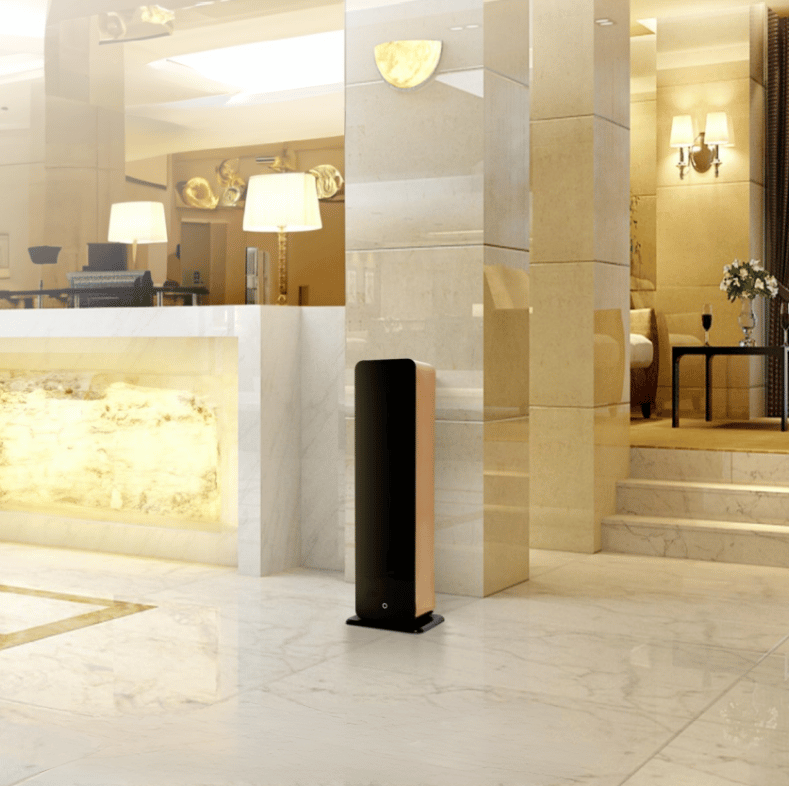
Many hotels today have a “signature scent”—that clean, calming smell you notice the moment you enter the lobby. It’s not random. It’s part of how they make you feel at ease and remember the space. We’ve worked with hotels that want to make guests feel pampered from the moment they walk in, using notes like white tea, green fig, or even ocean breeze. Guests often ask where they can buy the scent—and that’s when you know it worked.
Gyms & Spas
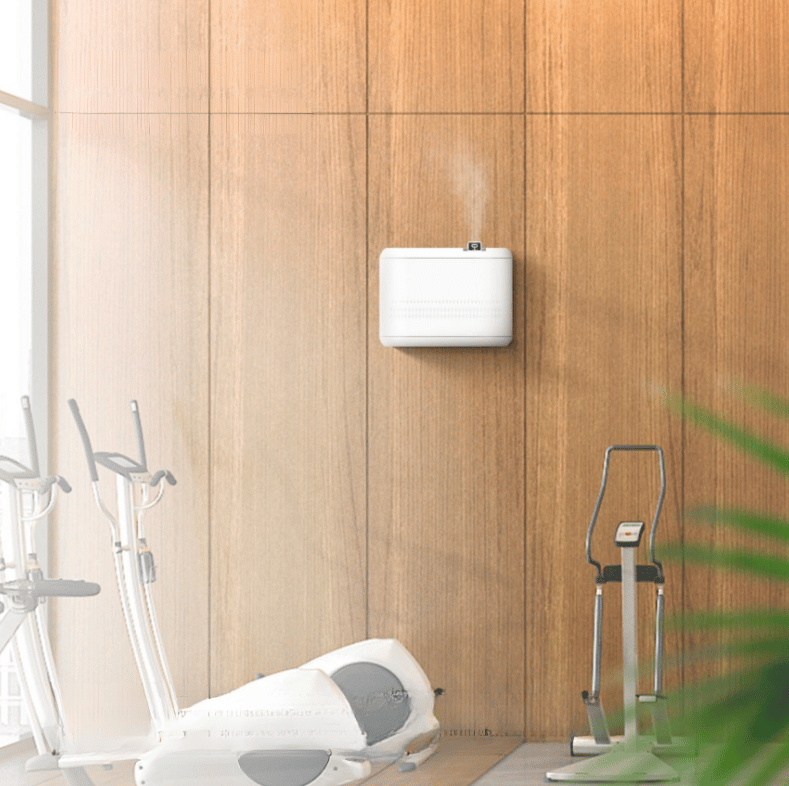
In fitness studios, you’ll often find something zesty like peppermint or eucalyptus—it helps clear the air and gives a boost of energy. It also helps with that “fresh and clean” vibe, especially in spaces with high foot traffic. On the flip side, spas usually go for deeper, calming scents—lavender, sandalwood, chamomile—that help people switch off the moment they step inside.
How to Pick the Right Scent for Your Business
Start by Defining the Feeling
Don’t worry about getting it perfect from the start. Just think—how do you want people to feel when they enter your space? Relaxed, energized, focused? For example:
- A boutique hotel might want warm, cozy notes like amber or vanilla.
- A wellness center might go for green tea, eucalyptus, or lavender.
- A retail space may want something fresh and energizing, like lemon or white tea.
Start with the mood, then match it to a scent that makes sense for your brand.
Match Your Brand Personality
Think of your brand voice—if it were a person, what would it be like? Modern and minimal? Luxurious and classic? Fun and youthful? Your scent should echo that.
- Clean, light scents like linen or green fig suit modern brands.
- Musk, rose, or sandalwood fit classic or luxury vibes.
- Citrus or floral works well for cheerful, approachable brands.
Use Different Notes for Different Areas
You don’t have to stick to one scent everywhere. For example:
- Go bolder in public areas like lobbies or entrances.
- Use softer, calming scents in rooms or private areas.
- Fresh scents work great in restrooms or fitness areas.
This helps maintain consistency while keeping things interesting across spaces.
Location and Season Matter Too
If you’re in a beach resort, a woody scent might feel out of place. If you’re in the mountains, a coconut fragrance might feel off. Think about the surroundings. Also, some businesses tweak their scent slightly by season—lighter in summer, warmer in winter—while still keeping the base notes the same.
Tips to Get Scent Marketing Right
Don’t Overdo It
A strong smell can be off-putting. We always recommend starting light. You want customers to notice the scent, not be overwhelmed by it. Think of it like background music—it should enhance the space, not dominate it.
Choose the Right Diffuser System
The size and layout of your space matter. Big spaces might need HVAC diffusers to spread the scent evenly, while small shops can get by with plug-ins or tabletop diffusers. Try it out, see how it flows, and adjust accordingly.
Keep It Consistent
Especially if you have more than one location, consistency is key. If your hotel in KL smells different from your outlet in Penang, it breaks the experience. Guests should get the same scent and feeling every time they interact with your brand.
Check In and Adjust
Once your scent is in place, get feedback. Talk to your staff and customers—see how it feels over time. And of course, maintain your machines properly. Refill oils, clean the diffusers, and make sure everything’s running smoothly. It’s like any part of your branding—needs a bit of care to stay great.
Scent Marketing Leaves a Lasting Impression
In a world where customer experience is everything, scent marketing offers something unique—it speaks directly to memory and emotion. Whether you’re running a boutique hotel, wellness studio, or retail outlet, the right scent can subtly shape how people feel, how long they stay, and how fondly they remember you.
It’s not just a “nice to have.” It’s a brand tool.
So if you’re looking for a simple but powerful way to elevate your space, start with scent. It might be invisible, but the impact is unforgettable.
Ready to explore scent marketing for your business? Max Hygiene helps retail and hospitality brands across Malaysia build customized scent experiences that enhance mood, memory, and brand recognition.